This past Sunday we got back out to the laundry pond again. As usual, the pond was loaded with waterbirds. I counted 525 Eurasian Coots swimming around in the middle of the pond and feeding in the reeds. The group of White-headed Ducks that have been present since October were still at the pond with 7 birds, both males and females. We watched a female from very close range coming out of the reeds on the east side of the pond. A good number of Shovelers were present in the pond when we arrived, then started flying around in small flocks when the F-16s roared off the runway behind us on afterburner.
A few other ducks species including Common Pochard, Gadwall, Common Teal and Ferruginous Ducks were present in smaller numbers along with a handful of Little Grebes.
We completely circled the pond for the first time. Usually, we park on one side and remain there. On our way back we saw some activity in a patch of vegetation near the entrance road. It turned out to be a flock of several dozen European Goldfinch. We got some great closeup looks at these beautiful birds as they appeared to be feeding on thistle seeds. As we were moving back to the truck we found a group of Spanish Sparrows with their bold chestnut, black and white plumage.
The highlight of our visit to the pond was watching two Jackals running back and forth on the edge of the pond, chasing and being chased by a Red-wattled Plover. The bird dive bombed them, while they charged around. After about five minutes, they noticed us and stopped to stare, then trotted off into the open area toward the west side of the base.
Around Sunset I returned to the area and I saw the pair of Jackals again yelping and chasing eachother around.
After the sun went down, I heard large numbers of Green Toads calling in the irrigation ditches near the west side of the base. It reminded me of the spring choruses of various frogs and toads in Connecticut. I guess Spring comes to Iraq in Mid-January.
Friday, December 18, 2009
Christmas Bird Count - JBB, Iraq
I've been here in Iraq since the beginning of October. I am currently at Joint Base Balad, formerly LSA Anaconda along the Tigris River north of Baghdad. I usually have been able to go birding for a few hours most Sundays early in the morning with a Sergeant from another unit. Together we are the only current members of the JB3 or Joint Base Balad Birders.Much has changed since I was here 5 years ago. One good change is there are more ponds and lakes to look for birds in. Another benefit is that the mortar and rocket attacks are much more infrequent.
The Laundry Pond where I saw so many birds in my previous still is the most productive area for birds on base. The first time we went there in October there were so many waterbirds, it reminded me of the Everglades. The comical Purple Swamphens clambered over the reeds, while dozens of Little Egrets fed in the shallows. The little grebes dive and pop up everywhere, while the coots and moorhens exercise their full vocal range from the reeds. Among the large rafts of coot and Northern Shovelers, we have found smaller numbers of Common Teal and up to three White-headed Ducks, threatened relatives of the Ruddy Duck of North America. These distinctive small ducks were a surprise for me and my first lifer for this trip to Iraq. Another duck that we see frequently are the spectacular chestnut colored Ferruginous Ducks, which seem to prefer the edges of the pond, near the reeds. When they fly they show large white patches on the wings and are very striking. One morning we saw some Common Pochards, another new species for me. The Common Pochard looks very much like a Redhead or Canvasback from back in the US.
When I went down to Baghdad, I saw a brilliant Common Kingfisher. This bird has iconic status for me, being such a striking species and one that I heard my father describe from his boyhood in southern England, hunting along shallow streams. When I was in England I had hoped to see it, despite scoping out some of the very same streams as my father, I never saw one. My first Kingfisher appeared to me, like a flashing blue diamond, cutting through the brown surrounding the pond I was checking out as it flew past me. I think its known as Bass Pond at Victory Base. I was amazed at the kingfisher's speed, how small it was and its otherworldly colors. Various shades of electric blues with a chestnut breast. The Kingfisher landed on a cement block next to the pond, which already had a Pygmy cormorant and a Little Egret. For ten minutes I watched this little blue sprite preen itself, then dive into the water to retrieve a fish, consume it then go back to flitting around.
Right now, I'm planning a Christmas Bird Count here at JBB. The Hartford CBC is always something I look forward to and I plan to be back to next year. I have found our local Rook roost, so perhaps we'll start there counting the thousands of playful, mischievous bare-faced rooks, mixed with hundreds of jackdaws and some Hooded Crows.
I've been here in Iraq since the beginning of October. I am currently at Joint Base Balad, formerly LSA Anaconda along the Tigris River north of Baghdad. I usually have been able to go birding for a few hours most Sundays early in the morning with a Sergeant from another unit. Together we are the only current members of the JB3 or Joint Base Balad Birders.Much has changed since I was here 5 years ago. One good change is there are more ponds and lakes to look for birds in. Another benefit is that the mortar and rocket attacks are much more infrequent.
The Laundry Pond where I saw so many birds in my previous still is the most productive area for birds on base. The first time we went there in October there were so many waterbirds, it reminded me of the Everglades. The comical Purple Swamphens clambered over the reeds, while dozens of Little Egrets fed in the shallows. The little grebes dive and pop up everywhere, while the coots and moorhens exercise their full vocal range from the reeds. Among the large rafts of coot and Northern Shovelers, we have found smaller numbers of Common Teal and up to three White-headed Ducks, threatened relatives of the Ruddy Duck of North America. These distinctive small ducks were a surprise for me and my first lifer for this trip to Iraq. Another duck that we see frequently are the spectacular chestnut colored Ferruginous Ducks, which seem to prefer the edges of the pond, near the reeds. When they fly they show large white patches on the wings and are very striking. One morning we saw some Common Pochards, another new species for me. The Common Pochard looks very much like a Redhead or Canvasback from back in the US.

When I went down to Baghdad, I saw a brilliant Common Kingfisher. This bird has iconic status for me, being such a striking species and one that I heard my father describe from his boyhood in southern England, hunting along shallow streams. When I was in England I had hoped to see it, despite scoping out some of the very same streams as my father, I never saw one. My first Kingfisher appeared to me, like a flashing blue diamond, cutting through the brown surrounding the pond I was checking out as it flew past me. I think its known as Bass Pond at Victory Base. I was amazed at the kingfisher's speed, how small it was and its otherworldly colors. Various shades of electric blues with a chestnut breast. The Kingfisher landed on a cement block next to the pond, which already had a Pygmy cormorant and a Little Egret. For ten minutes I watched this little blue sprite preen itself, then dive into the water to retrieve a fish, consume it then go back to flitting around.

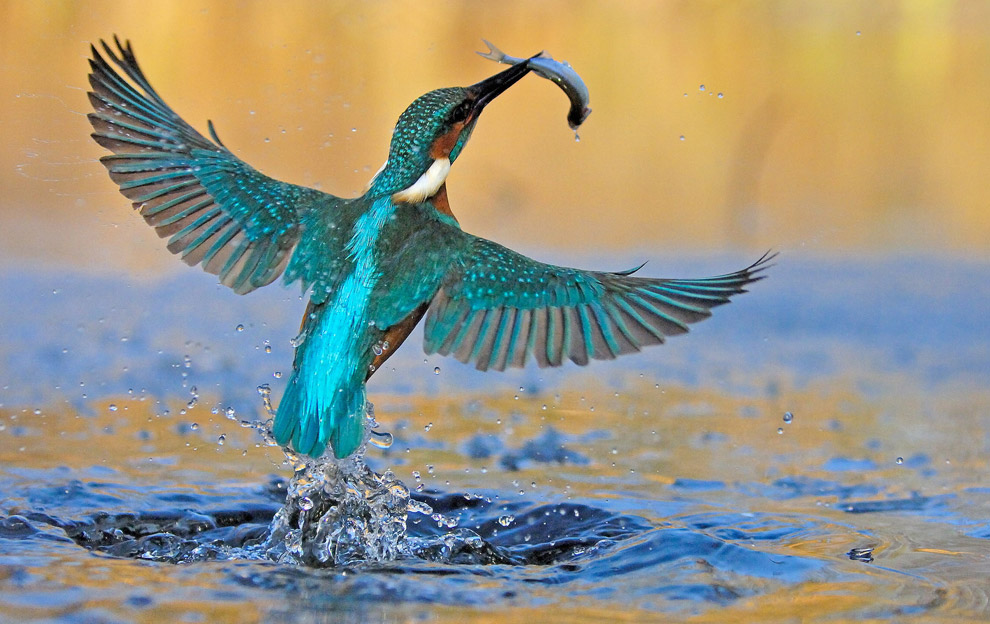
Right now, I'm planning a Christmas Bird Count here at JBB. The Hartford CBC is always something I look forward to and I plan to be back to next year. I have found our local Rook roost, so perhaps we'll start there counting the thousands of playful, mischievous bare-faced rooks, mixed with hundreds of jackdaws and some Hooded Crows.
Sunday, October 04, 2009
Yesterday I went for a walk to the far side of base early in the morning. For some reason there was a concentration of birds in a work area near the softball field and the big berms that surround the camp. Perhaps someone feeds them there or there is a source of water. I saw crested larks, laughing doves and house sparrows. As I was looking at the doves roosting on the concertina wire I heard a familiar churring call above me. The call was from a blue-cheeked bee-eater gliding around above me. This electric green colored species was a familiar sight when I was at LSA Anaconda 5 years ago. After a few minutes it flew off over the airfield.
Walking back along the perimeter near the airfield, I found the only green plants I've seen so far growing in a ditch that looks like it recently had water in it. The last two times I was in Kuwait was during the winter months when the winter rains had provided enough water for a good number of plants to grow. Now at the end of the prolonged heat of summer there is not a plant to be seen other these few. Down near the coast there are hardy trees and some irrigated farmland, but up here there's nothing.
Walking back through one of the housing trailer areas a medium sized bird flew out in front of me and up on to a light pole. It turned out to be a Rock Thrush, my first life bird for this deployment. The back was a dark blue color and the breast was a brick red with dark scalloping.
Walking back along the perimeter near the airfield, I found the only green plants I've seen so far growing in a ditch that looks like it recently had water in it. The last two times I was in Kuwait was during the winter months when the winter rains had provided enough water for a good number of plants to grow. Now at the end of the prolonged heat of summer there is not a plant to be seen other these few. Down near the coast there are hardy trees and some irrigated farmland, but up here there's nothing.
Walking back through one of the housing trailer areas a medium sized bird flew out in front of me and up on to a light pole. It turned out to be a Rock Thrush, my first life bird for this deployment. The back was a dark blue color and the breast was a brick red with dark scalloping.
Saturday, October 03, 2009
Northern Kuwait
I'm now in Kuwait waiting to go north to my base in Iraq. I'm at a very busy camp living in a big tent and officially known as a Transient. Its still blazing hot and the desert dust gets into everything. Still, I've managed to find a few birds and other wildlife around camp as I walk around our tent area or to the chow hall.
The land scape in Northern Kuwait is largly an expanse of flat brown ground of stones and sand. Not unlike a gigantic beach with no water. Since we arrived there has been a persistent pall of airborne dust hugging the ground. Many of the stones have all their edges smoothed by the ever-blowing sand.
Thanks to Major Dallas Hewett, who left me a copy of the Field Guide to the Birds of the Middle East. Today I made it over to see the officer from the Medical Brigade who has been keeping the book for me.
Though the camp is located in an very barren and dry area, especially after being baked in the intense heat of the Kuwaiti summer for months, a number of birds still manage to make a living here. Because of the human activity, there is also water available in the form of spillage from shower trailers or water dripping from the many air conditioning units. The shade underneath trailers or in the shadow of tents or buildings provides welcome rest to migrants passing through. Indeed, during his time here Major Hewett compiled an impressive list of visiting birds.
A few days ago I saw a Hoopoe winging through the tent area, flashing its broad zebra-striped wings. The most abundant birds on the camp appear to be the house sparrows, who seem to particularly like hanging out near the chow hall and the camp Burger King. Also very common are the Crested Larks who can be seen running around on the barren ground and whistling to each other in the middle of the day, apparently unfazed by the heat.
On the way back from the dining facility this evening I saw a small nondescript brownish-gray bird catching flying insects at one of the many construction light sets that illuminate the base. Closer inspection proved it to be a Spotted Flycatcher making a pit stop on its migration south.
As I'm typing here in the MWR tent among soldiers playing poker, xbox and watching various movies, I just noticed an Old World warbler of some sort flitting around in the rafters. I just talked to one of the Indian guys who works here. He said the bird has been in the building several weeks. They tried to shoo it out but it wouldn't leave. He said they like it because it eats the spiders and flies. The fact that the bird would rather be in an air conditioned tent rather than poking around outside when its over 100 degrees doesn't seem too surprising, I'll be back tomorrow to try and ID it or at least get a photo.
I'm now in Kuwait waiting to go north to my base in Iraq. I'm at a very busy camp living in a big tent and officially known as a Transient. Its still blazing hot and the desert dust gets into everything. Still, I've managed to find a few birds and other wildlife around camp as I walk around our tent area or to the chow hall.
The land scape in Northern Kuwait is largly an expanse of flat brown ground of stones and sand. Not unlike a gigantic beach with no water. Since we arrived there has been a persistent pall of airborne dust hugging the ground. Many of the stones have all their edges smoothed by the ever-blowing sand.
Thanks to Major Dallas Hewett, who left me a copy of the Field Guide to the Birds of the Middle East. Today I made it over to see the officer from the Medical Brigade who has been keeping the book for me.
Though the camp is located in an very barren and dry area, especially after being baked in the intense heat of the Kuwaiti summer for months, a number of birds still manage to make a living here. Because of the human activity, there is also water available in the form of spillage from shower trailers or water dripping from the many air conditioning units. The shade underneath trailers or in the shadow of tents or buildings provides welcome rest to migrants passing through. Indeed, during his time here Major Hewett compiled an impressive list of visiting birds.
A few days ago I saw a Hoopoe winging through the tent area, flashing its broad zebra-striped wings. The most abundant birds on the camp appear to be the house sparrows, who seem to particularly like hanging out near the chow hall and the camp Burger King. Also very common are the Crested Larks who can be seen running around on the barren ground and whistling to each other in the middle of the day, apparently unfazed by the heat.
On the way back from the dining facility this evening I saw a small nondescript brownish-gray bird catching flying insects at one of the many construction light sets that illuminate the base. Closer inspection proved it to be a Spotted Flycatcher making a pit stop on its migration south.
As I'm typing here in the MWR tent among soldiers playing poker, xbox and watching various movies, I just noticed an Old World warbler of some sort flitting around in the rafters. I just talked to one of the Indian guys who works here. He said the bird has been in the building several weeks. They tried to shoo it out but it wouldn't leave. He said they like it because it eats the spiders and flies. The fact that the bird would rather be in an air conditioned tent rather than poking around outside when its over 100 degrees doesn't seem too surprising, I'll be back tomorrow to try and ID it or at least get a photo.
Friday, August 21, 2009

I've been at mob station for a little while in Sunny Central Texas. I've seen a few birds and other wildlife.
A family of Eastern Bluebirds shows up in the afternoon behind our admin building. Each evening flocks of Great-tailed Grackles and cowbirds fly over our area and look like they are roosting nearby. Down at the main post there were several scissor-tailed flycatchers catching insects near the main gate.
Subscribe to:
Posts (Atom)